
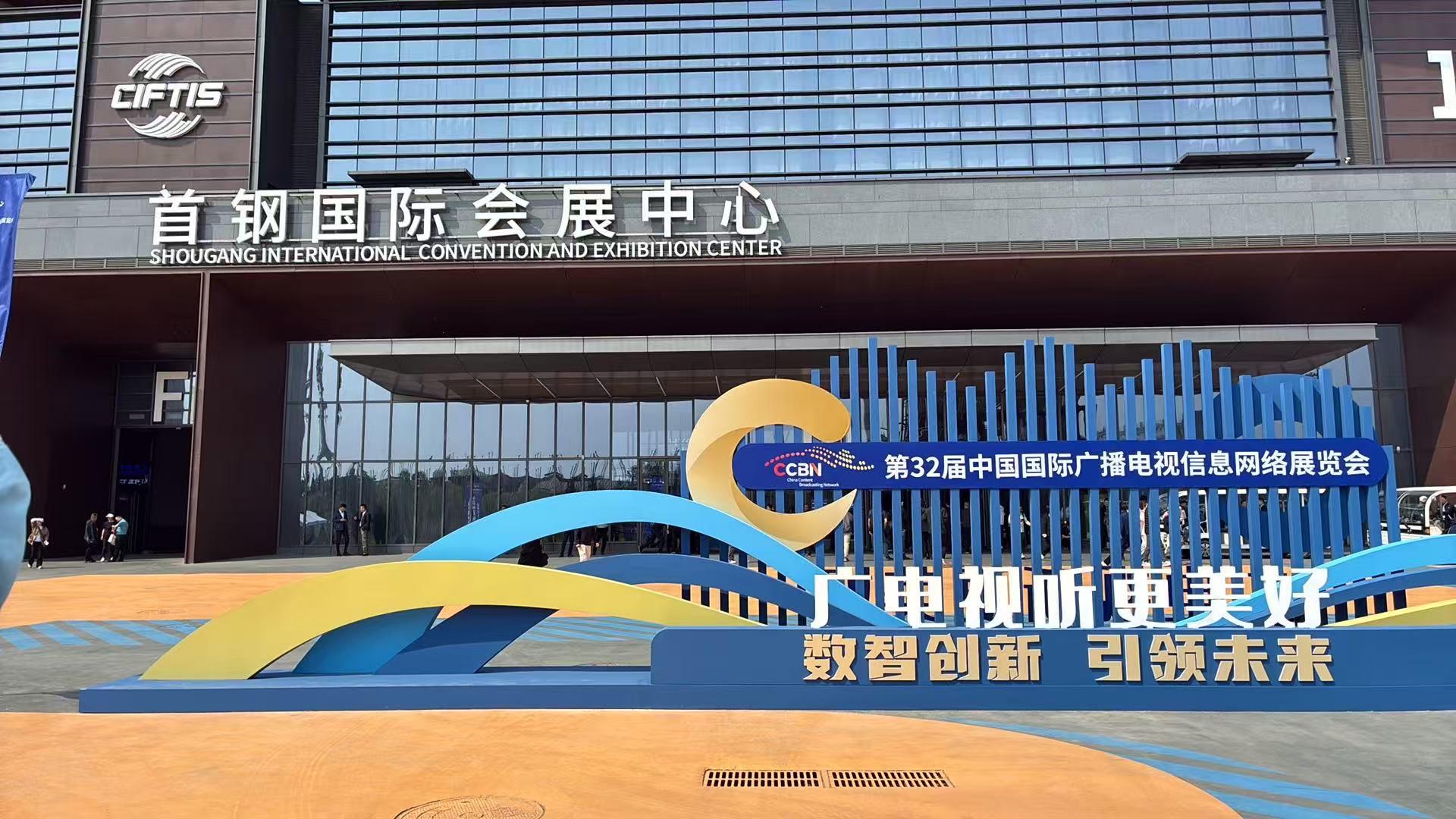
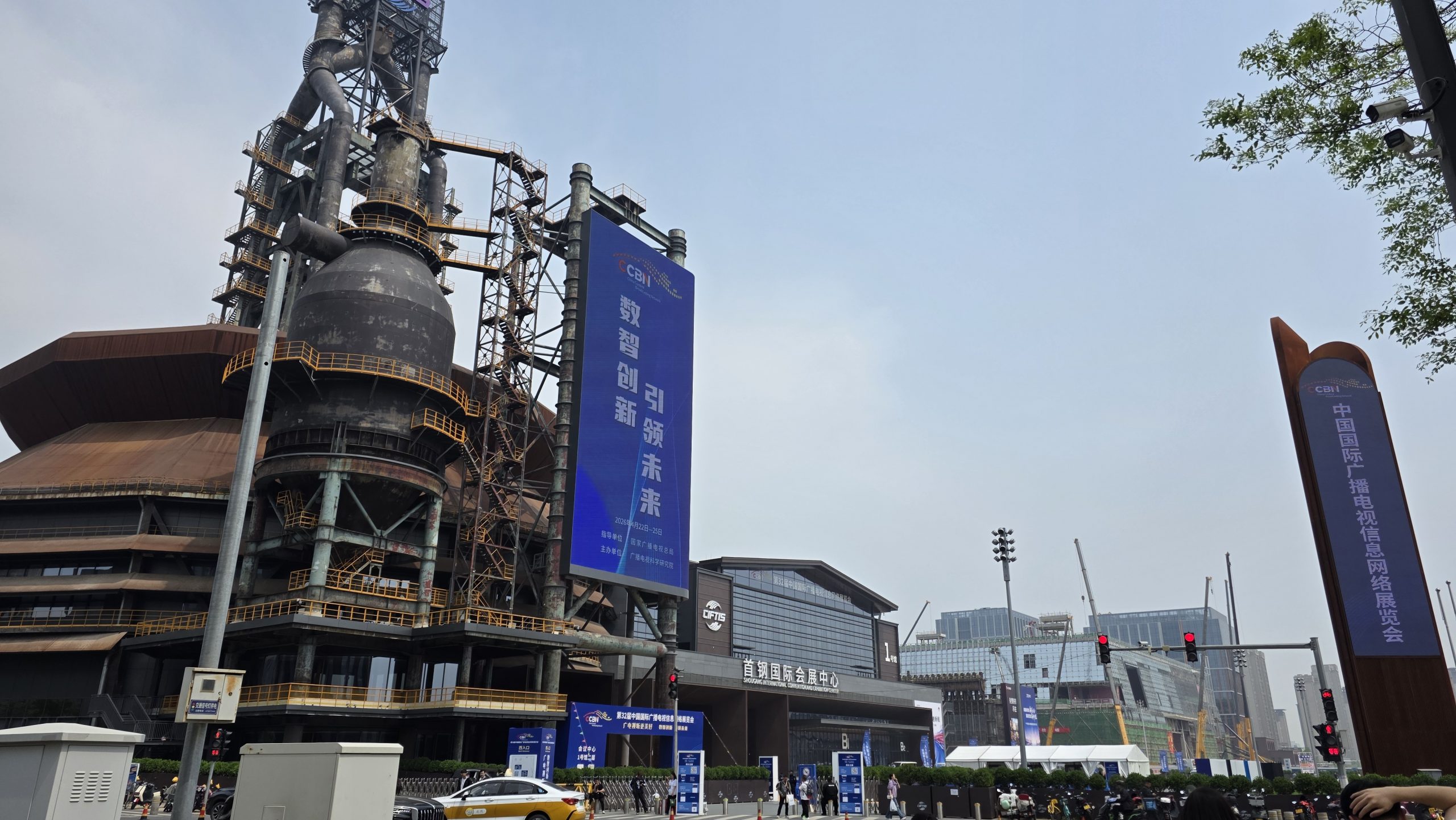
Beijing, 22–24 April 2026 – The DRM Digital Radio standard took centre stage at the China Content Broadcasting Network (CCBN) exhibition, an annual event held at the China National Convention Centre in Beijing. Across forums, technical sessions and exhibition stands, the message was consistent: China’s DRM ecosystem has moved beyond the standards stage and is now advancing on multiple fronts – field testing, deployment, and domestic industrialisation.
CCBN is a premier event organised by the Academy of Broadcasting Science (ABS), National Radio and Television Administration (NRTA). It covers a wide range of fields, including broadcasting and television, technological integration, information-based audiovisual, consumer electronics, telecommunications, IT and more.
Professional audiences included broadcasting companies from across China, government representatives and leaders involved in digital broadcasting, universities, research institutes, industry associations, as well as sectors such as education, media, telecommunications, IT, consumer electronics.
DRM in China: National Rollout and Key Applications

As China is working towards the national mandate and rollout of the DRM and CDR digital radio standards for domestic coverage, the extra benefits of DRM – such as the Emergency Warning Functionality (EWF) –, the new modules and receiver solutions recently unveiled and the performance of DRM in cars were also part of the DRM Consortium members’ contribution to CCBN 2026.
The DRM Consortium members CML Micro, Fraunhofer IIS, Nautel, RFmondial, RF2Digital, Elements Innovation, NewGlee, and Starwaves presented innovative DRM solutions covering the full chain from transmission to monitoring and reception.
Trusted Broadcast Technologies and Innovative Use Cases in China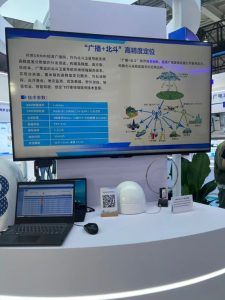
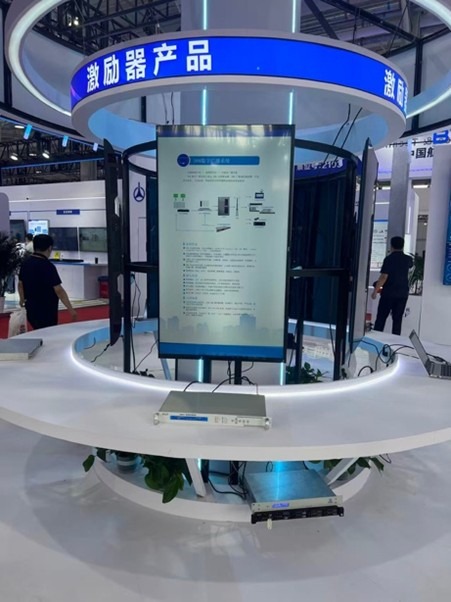
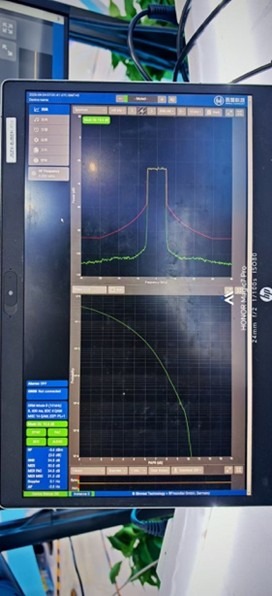
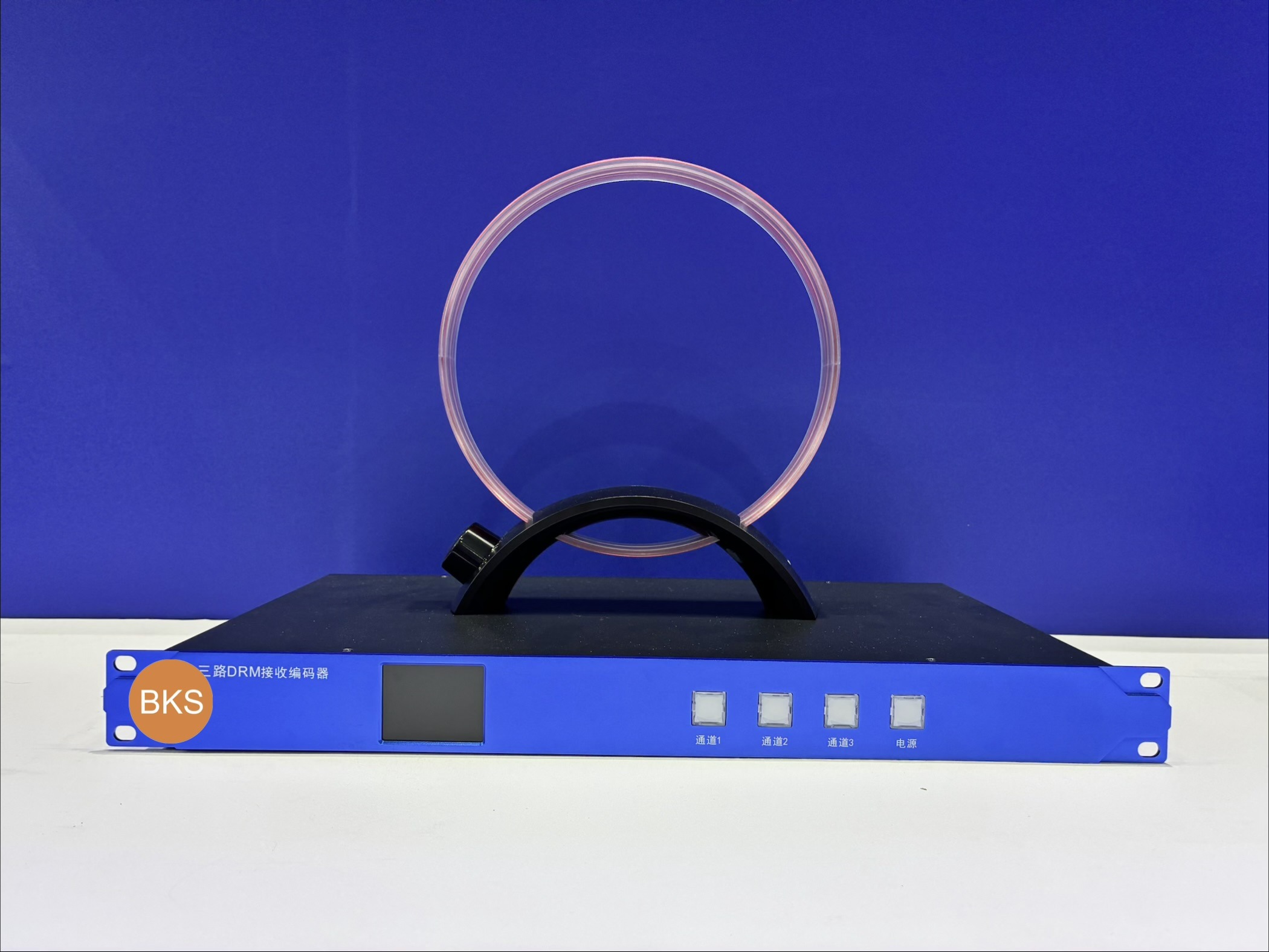
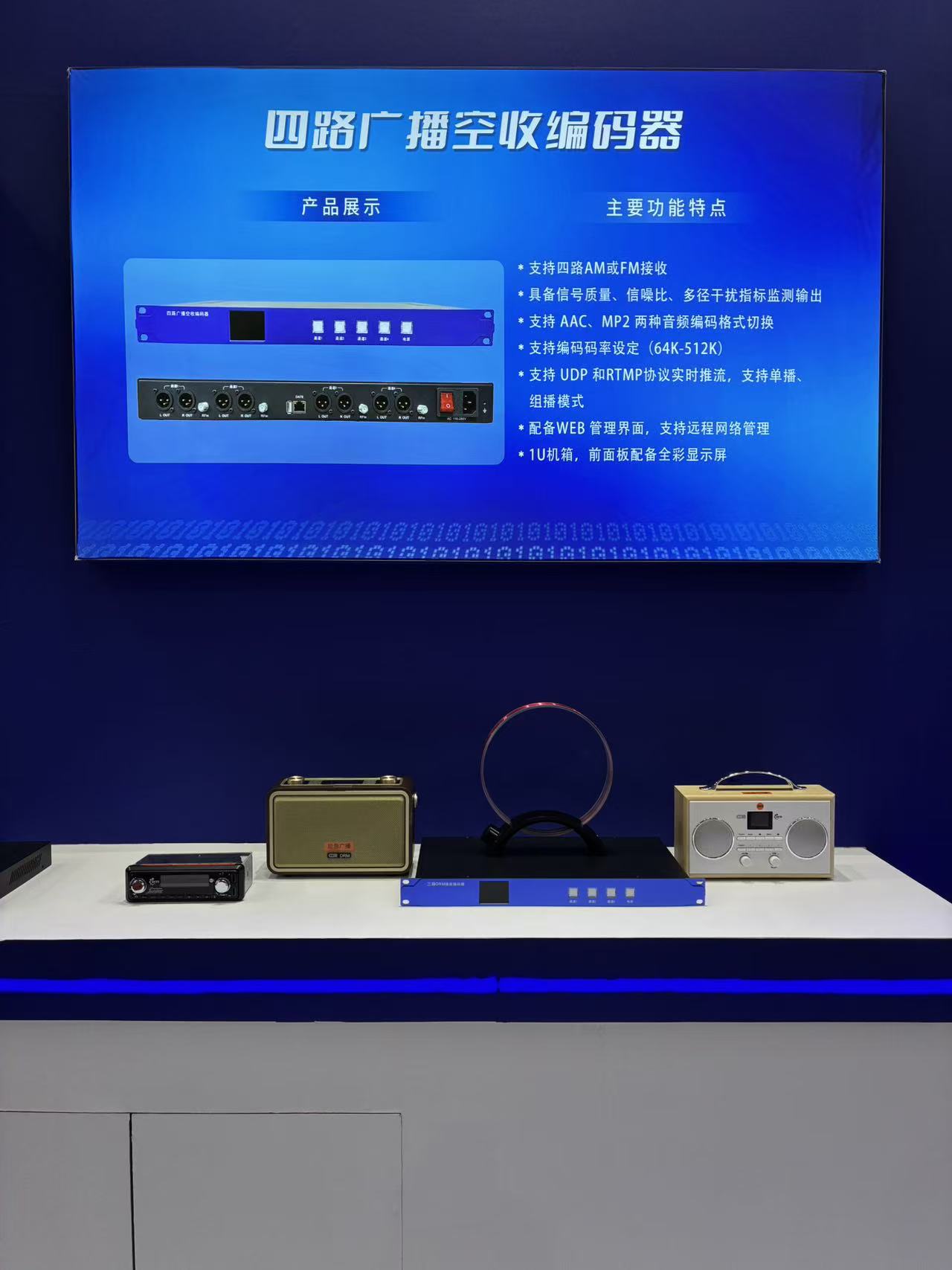
A consortium of domestic and international industry leaders – including Beijing BBEF Science & Technology, Fraunhofer IIS, RFmondial, and SimReal Technology – presented a comprehensive set of professional DRM solutions encompassing the entire broadcast chain for the DRM standard and China’s GY/T 423-2025 specification. These solutions ranged from professional DRM ContentServer head-end systems and multichannel DRM modulators to monitoring and measurement receivers, as well as consumer-, mobile phone-, and automotive-ready SDR-based radio implementations.
The Emergency Warning Functionality (EWF), a core part of the DRM standard, is a key factor in the digitisation of the Chinese broadcasting market and a major driver in the sustained modernisation of the country’s radio infrastructure. DRM’s EWF combines alarm announcements with audio and Journaline text information, enabling efficient and reliable public alerts.
A critical application of EWF is in the automotive sector. Fraunhofer IIS, in collaboration with its local partner SimReal Technology, introduced a geofencing-guided system designed to enhance road safety. By leveraging geofencing technology, the system can “wake up” the radios in vehicles within specific geographic boundaries with pinpoint accuracy, ensuring that emergency alerts are delivered only to relevant drivers. This reduces information overload while maximising the speed and efficiency of disaster response on the road.
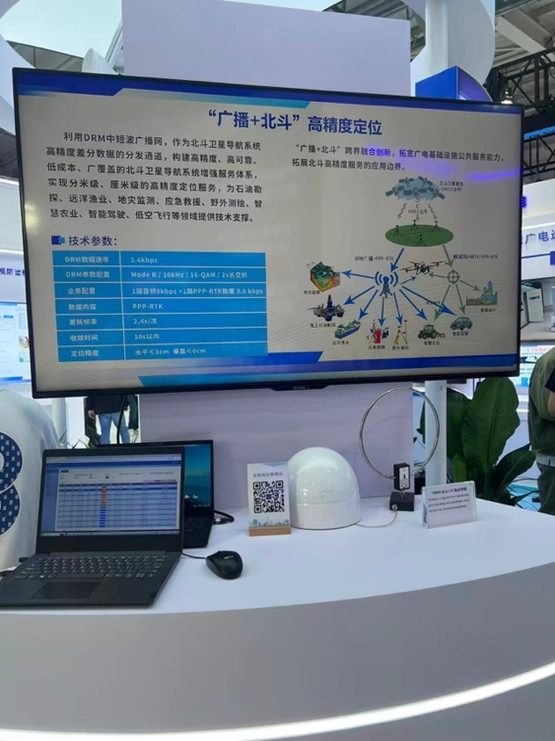
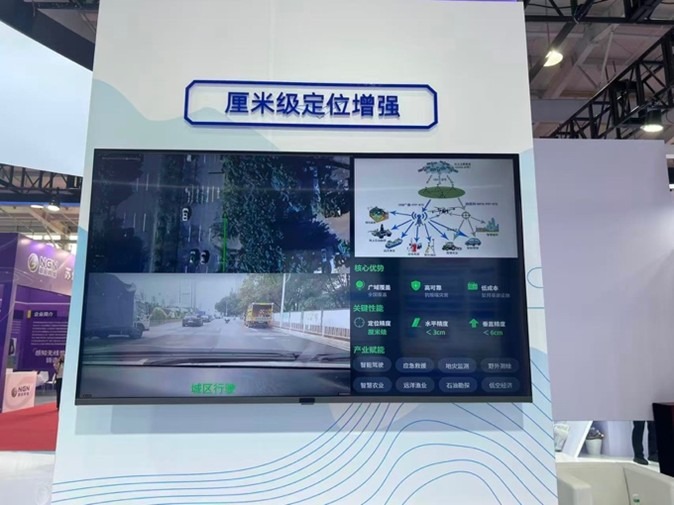
DRM shortwave also showcased its versatile data-carrying capacity. ABRS demonstrated a high-precision positioning system that uses shortwave frequencies to carry BeiDou satellite data (DGNSS). ABRS presented both a standard-compliant DRM data service and a proprietary lab demo, proving how shortwave can serve as a reliable backup or primary link for positioning data.
Beyond positioning, the initiative is pushing for “Shortwave + Industry-Specific IoT.” By targeting “blackout zones”, ABRS is calling for pilot projects in specialized industries, including oceanic fisheries, geohazard monitoring, and remote resource exploration, positioning DRM as a critical backbone for low-bandwidth, long-distance IoT.




Shortwave Innovation Initiative and Growing Product Portfolios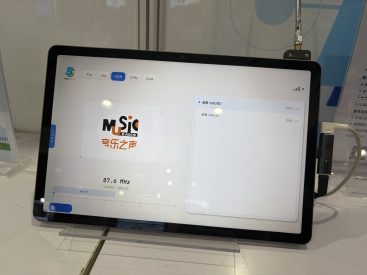

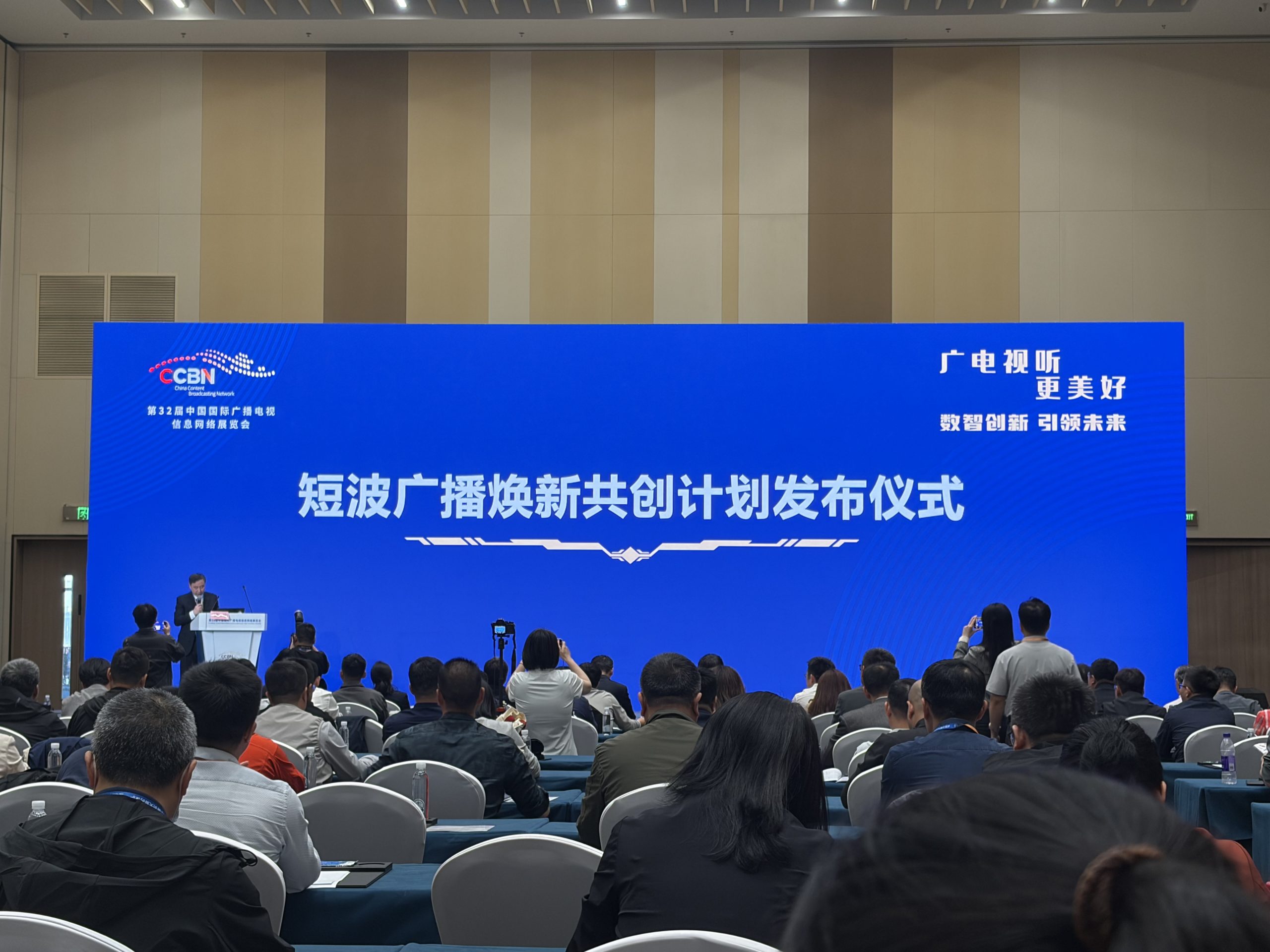
The opening of the Multi-Channel Network Collaborative Development Forum on 24 April saw the launch of the Shortwave Broadcasting Innovation Initiative, led by the Radio Station Administration Bureau of China’s National Radio and Television Administration (NRTA), together with Communication University of China and other industry partners.
The initiative names DRM digital shortwave as a central technology pillar and frames its work along four lines: technology innovation, content innovation, service-model innovation, and industry collaboration. Concretely, it sets out to coordinate the digital upgrade of China’s medium- and shortwave transmitter network – more than 600 stations – and to support the rollout of national industry standard GY/T 423-2025, Technical Specification for Medium- and Shortwave Digital Sound Broadcasting. Public-service applications in education, culture and emergency information are flagged as priority content categories.
The launch is significant because it brings the regulator, the research community and content producers into a single coordinated programme – the kind of cross-stakeholder alignment that DRM rollouts elsewhere have shown to be decisive.


Mass Production for DRM-CDR Module Announced

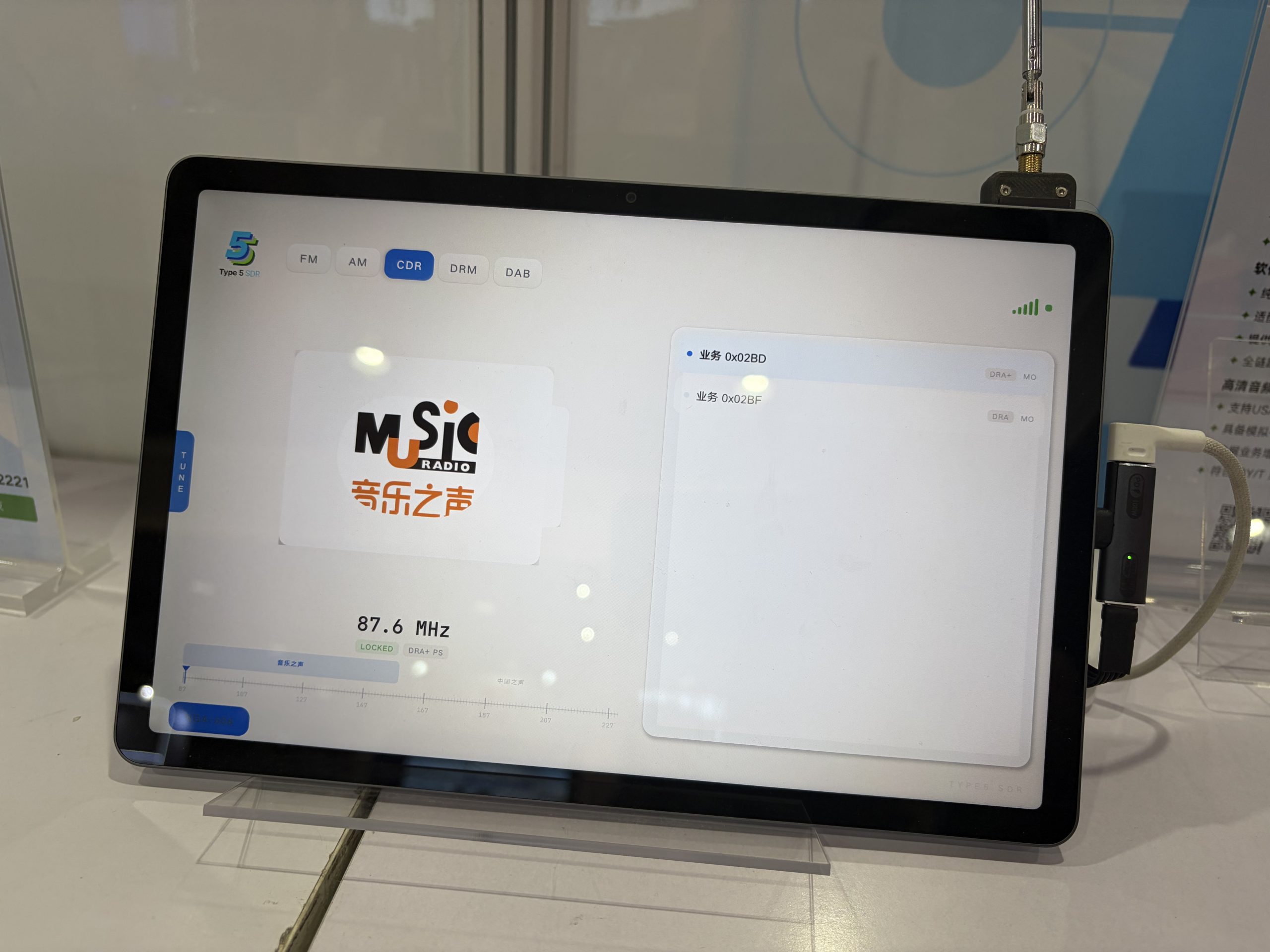
One of the new products was the DRM and CDR Milan module of Elements Innovation, the only one in mass production for all Chinese Broadcasting companies and ready to become part of key monitoring receivers, used in the provinces and nationwide. Its variants ES006, ES007, ES326 CAR RADIO, etc. can deliver digital receivers for consumer as well as digital broadcasting monitoring tools. The Chinese automotive market is in the process of testing these solutions.


Summary
DRM as a technology is proven to work. It can support national emergency warning infrastructure through EWF and, as the only standard capable of local, regional, national and international coverage, offers unique advantages. New applications are emerging, and the technology opens opportunities for the local industry itself and for collaborations with international partners.
