DRM – Driving the Multi Standard Receiver Solutions
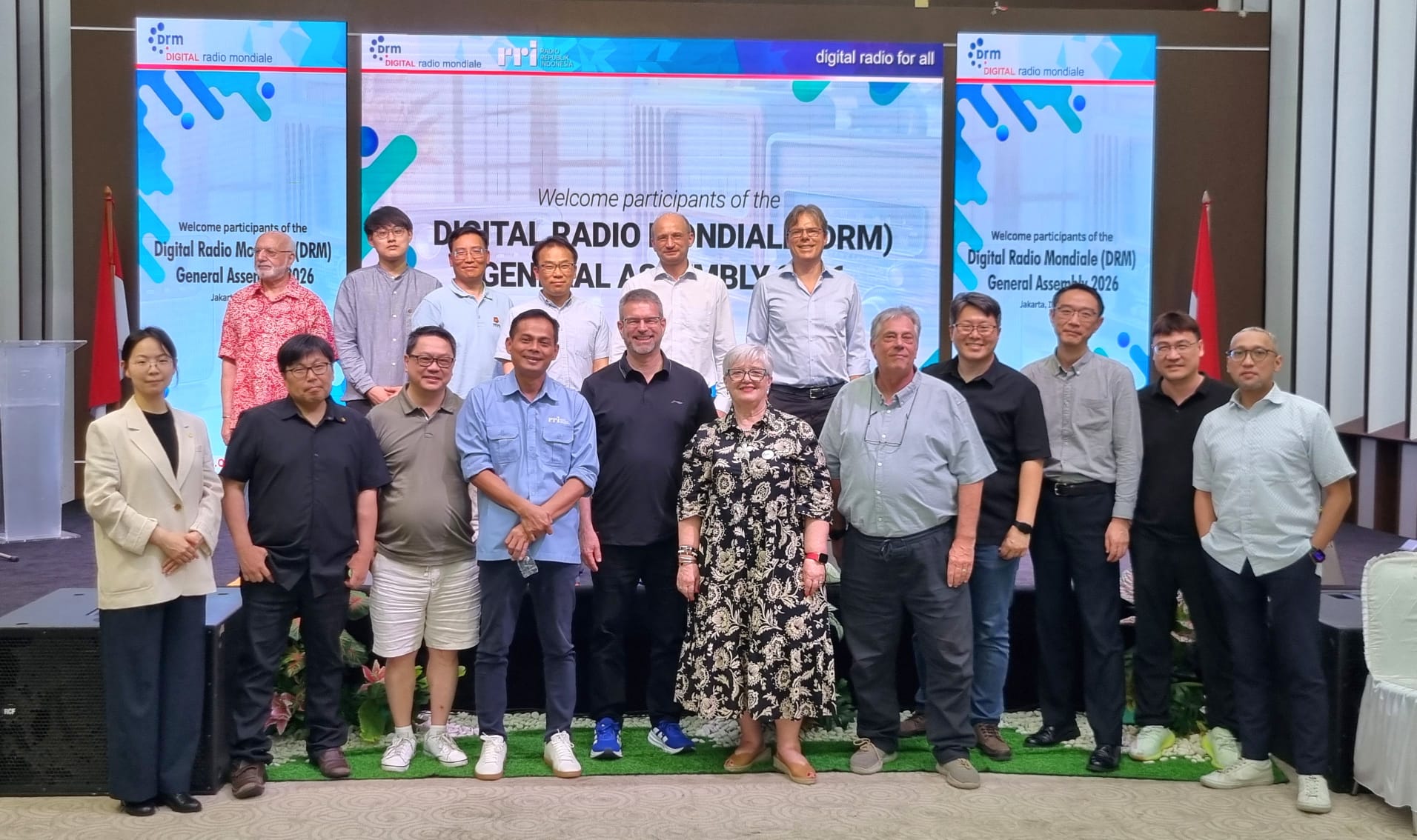
 Another important development, in part fuelled by the Indonesian digitization model, is the development of multi-standard receivers, many on display at the May DRM General Assembly.
Thus CML Micro, Glovane (South Korea) and NewGlee (China) launched a dual DRM-DAB+ receiver. RF2Digital of South Korea announced that they have a fitting solution for Indonesia, South Africa etc. with analogue, DRM and DAB+ receiver developments. Its Milan module is aimed at the automotive industry. Fraunhofer IIS (Germany) announced that the Digital Radio Receiver Framework is ready for Multi-Standard Digital Radio, supporting the full DRM and DAB+ feature sets. There is now a prototype demonstration on Android Auto including Journaline TTS access. Starwaves of Switzerland, in cooperation with Fraunhofer IIS, launched a full-featured Dual-Standard Android SoftRadio App for DRM and DAB+, available in the Google Play Store.
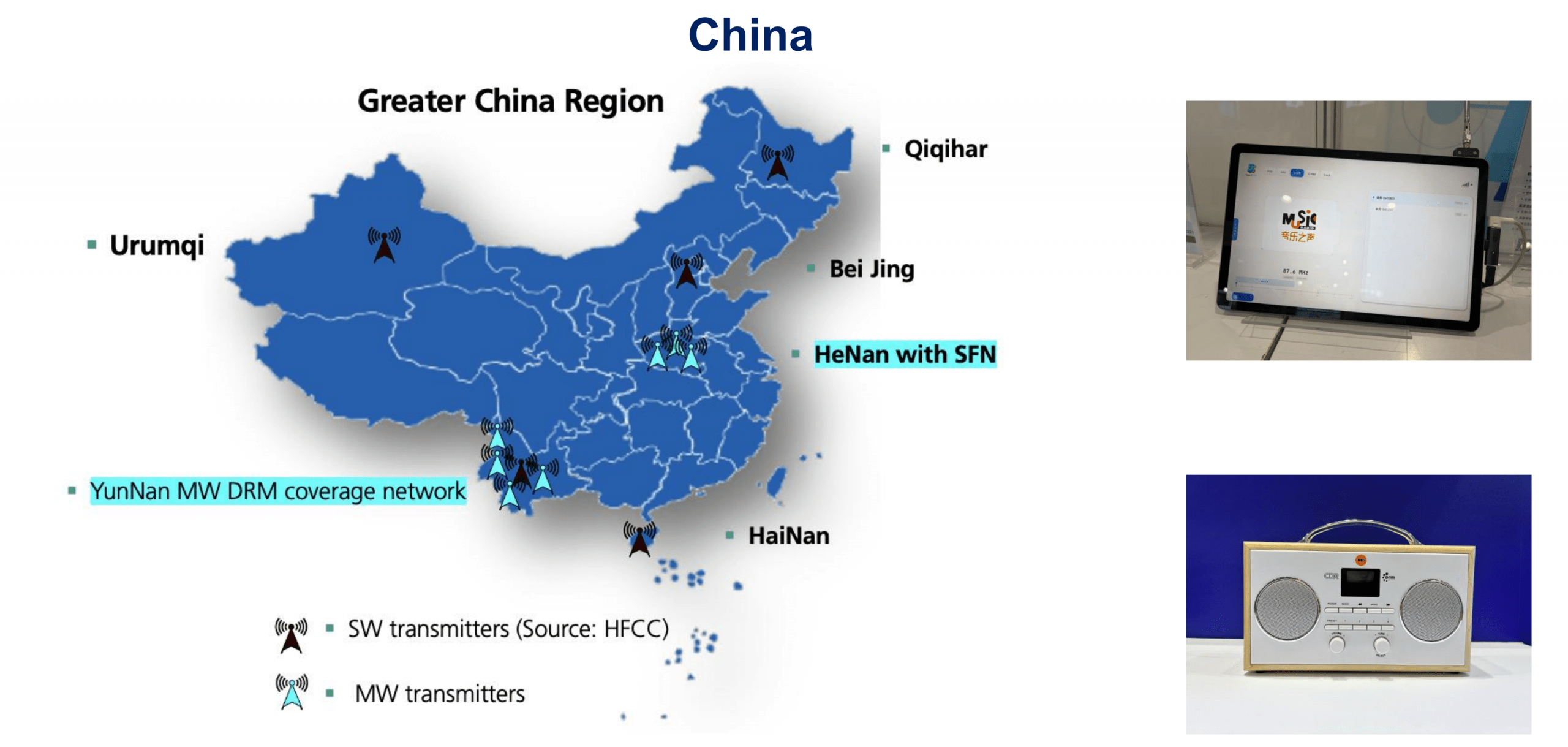
Several DRM members introduced, alongside DRM-DAB+ solutions, DRM-CDR modules and receivers aimed primarily at the Chinese market.
The importance of receivers, standalone, but mainly in car dashboards, and on the innovative application of software was underlined by Inntot of India. It is already supplying software-based receivers for 2.2 million of the over 13 million cars with DRM reception on Indian roads. OptM, a company based in Bengaluru, India, is also involved in supplying locally developed OEMs solutions.
Dual-standard chipsets, tuners and digital radio coprocessors like those offered by Skyworks of USA and global NXP for DRM in AM and FM bands and all recommended broadcast standards, are now available for the car industry and receiver manufacturing in general.
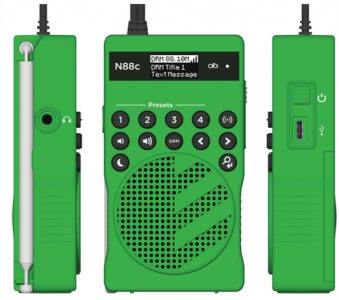 One receiver solution demonstrated again in Jakarta with extra features and a firm release date, is the affordable, improved N88 receiver from CML and Alongside Tech – USA and manufactured in Asia and primarily aimed at the Indian market. The updated version has more features and allows a DRM multimedia experience using N88 USB-C connectivity with a dedicated Android application. It can also deliver text and images and has the DRM Emergency Warning Functionality integrated. N88 can also be used to deliver another great DRM benefit: E-Learning.
In fact, any part of the DRM transmission chain is now covered: from transmitters, even for dual standards (VHF band II and band III), to receivers, including monitoring equipment, like the one premiered by Redwood (South Korea) in Jakarta, and RFmondial (Germany).
All these companies exhibiting and presenting in Indonesia conveyed a simple message: DRM dual-standard equipment can deliver complete country coverage, in excellent audio, accompanied by multimedia services on all terrestrial broadcast bands.